
NewsNEWCENTER
Featured products
Contact Us
Properties of Active Ceramic Zinc Oxide
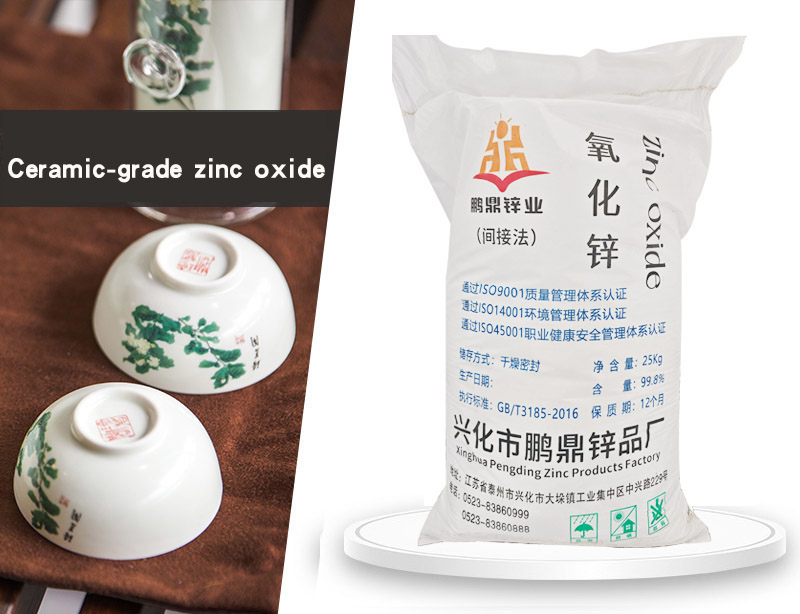
2026-06-09Ceramic zinc oxide is widely used in many fields. Its advantages, such as a long service life and low investment costs, mean that product performance requirements are relatively high, which in turn raises the technical standards for its application. Let us now take a look at the characteristics of active ceramic zinc oxide.
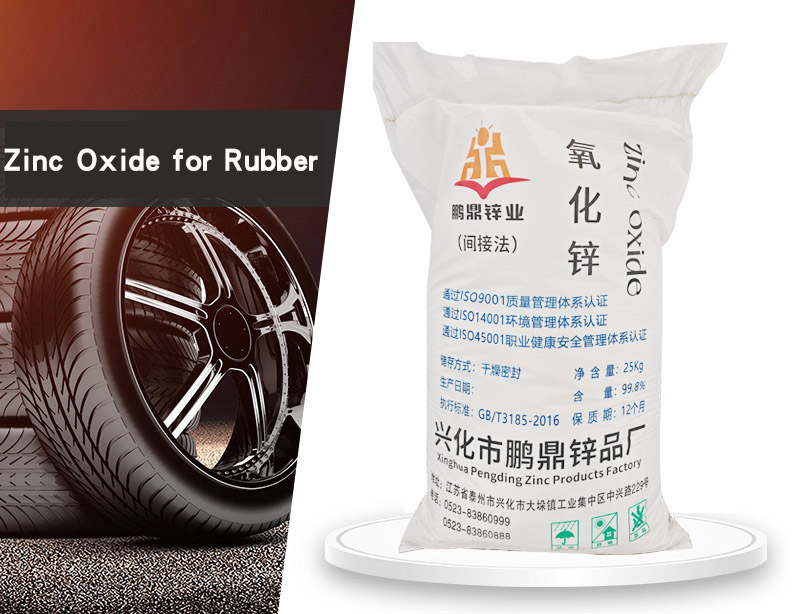
Ceramic zinc oxide is characterised by good flowability and excellent dispersibility. Combined with its small particle size and light, porous structure, and a high nitrogen adsorption specific surface area, it distributes evenly within the rubber compound when used as a vulcanisation activator. This provides a large surface area for contact with hydrogen sulphide, increasing the opportunities for interfacial reactions. Furthermore, the product’s active substances act as catalysts, resulting in a high conversion rate of zinc oxide to zinc sulphide. Consequently, as a vulcanisation accelerator and effective reinforcing agent for synthetic rubber, it is used at 50–70% of the dosage required for ordinary zinc oxide.
In the rubber industry, ceramic zinc oxide is used as a UV stabiliser, significantly improving the weather resistance of polyethylene. Zinc resin, produced by reacting with resin acid, can be used to manufacture quick-drying inks and possesses excellent colouring properties. The resulting zinc oxide desulphurisation agent features a large specific surface area, high sulphur breakthrough capacity, high mechanical strength, large packing void ratio and low bed pressure drop. It is widely used in the deep desulphurisation and purification of industrial feed gases such as ammonia synthesis, methanol and hydrogen production, as well as in oil processing. Under specific temperature and pressure conditions, it can effectively reduce trace concentrations of hydrogen sulphide and organic sulphur in gases. Produced by chemical methods, active zinc oxide is manufactured using a wet process; equipment designed for producing direct or indirect zinc oxide is used to produce inactive zinc oxide. The market is currently quite chaotic, with many manufacturers claiming to offer active zinc oxide, yet few actually meet the required standards. At present, products produced using the ammonia process are of higher quality. Those produced via the sulphide process are also available, but there are differences in quality.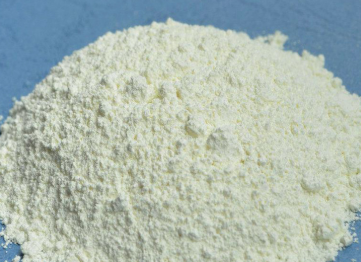
The above outlines the application characteristics of active ceramic zinc oxide. You may select the appropriate method based on your specific operational requirements to avoid unnecessary losses caused by improper operation. Should you have any further questions, please visit our website, where we regularly update our articles. We hope this information proves helpful.