NewsNEWCENTER
Featured products
Contact Us
Production Methods for Chemical-Grade Zinc Oxide
2025-11-08In the industrial production of zinc oxide, zinc oxide is a commonly used product in daily life. The production process uses zinc concentrate as raw material, which is oxidized and roasted at high temperatures, then reduced to zinc vapor by adding coal.
Flat Kiln: The high-temperature oxidation roasting process is carried out in a cubic kiln converted from refractory materials, with slag draining from the kiln bottom. Materials: Zinc ore, zinc ash, with zinc content requirements exceeding 30%. Output: Furnace volume approximately 6 square meters, daily production around 2-3 tons, purity ranging from 85% to 99%, equipment investment approximately 400,000 yuan. Advantages: Utilizes anthracite coal combustion, resulting in zinc oxide with good color, low sulfur and chlorine content. Raw materials are abundant, and the product enjoys widespread marketability.
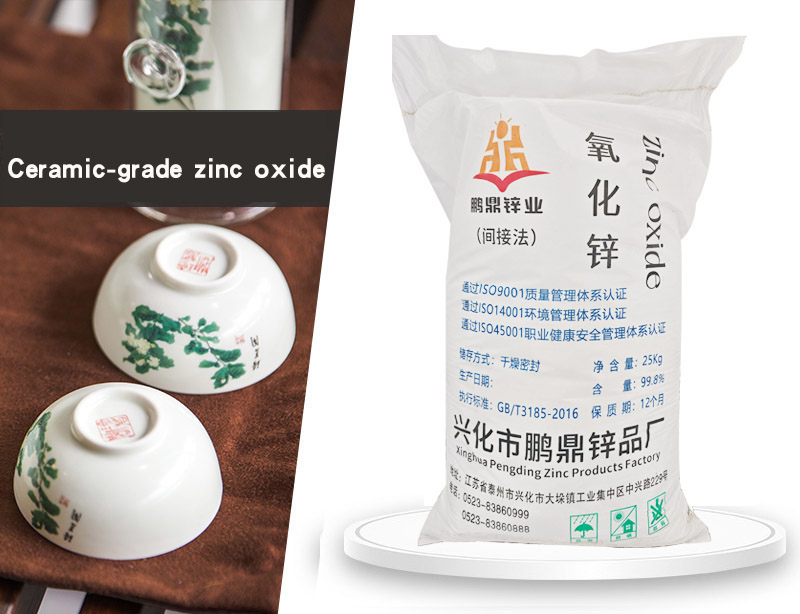
Rotary Kiln: High-temperature roasting occurs in a circular iron cylinder inclined at approximately 20 degrees and 40 meters long. Feed enters at the top, with slag discharged from the bottom. Vapors are collected and oxidized into zinc oxide. Materials: Various industrial zinc-containing waste residues are typically usable, requiring over 16% zinc content. Daily output of the circular iron barrel is approximately 10 tons, with zinc content ranging from 55% to 92%. Equipment investment is about 600,000 yuan. Advantages: Low raw material requirements, high recovery rate, and high output value. The zinc oxide produced is yellow in color, with some being gray. Sulfur and chloride content is high. It is commonly used as raw material for other industries, including zinc oxide for ceramic glazes.
Smokehouse: Detailed production process unknown. Materials: Industrial zinc-containing waste residues, typically with zinc content exceeding 14%. Daily output: 20 tons, with zinc content ranging from 45% to 80%. Equipment investment: ¥1 million. Advantages: High recovery rate and high output value. Produces light zinc oxide with a pale yellow or gray color. Sulfur chloride content remains low if production is well-controlled.