NewsNEWCENTER
Featured products
Contact Us
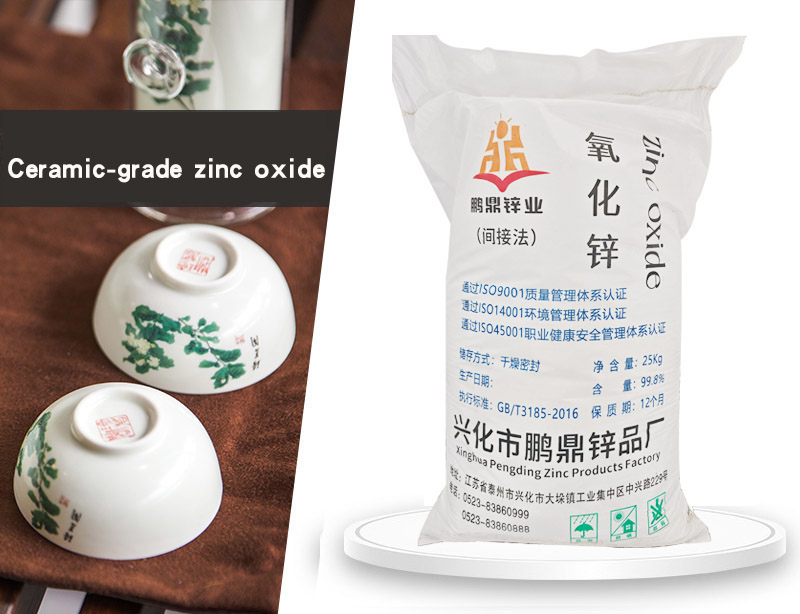
Colour Characteristics of Ceramic Zinc Oxide
2026-07-02 As ceramic zinc oxide has come to be widely used in various projects, its advantageous properties have gained widespread recognition. To make better use of it, let us take a look at the colour characteristics of ceramic zinc oxide.
The colour of ceramic zinc oxide is the result of light reflection. White light is a mixture of light, composed of various colours in specific proportions. If a substance appears pale yellow under white light, it is because that substance absorbs some or all of the blue light. The colour of a substance is due to its selective absorption of light of different wavelengths. Light sources of different colours have different wavelengths, and different substances absorb different wavelengths of the composite light. Chemical substances can only selectively absorb this energy, which corresponds to the total radiation of light resulting from the conversion of vibrational, rotational and electronic motion energy within the molecular structure of the substance.
Even for the same chemical substance, the hue will differ depending on the electronic energy levels it occupies. For example, active zinc oxide—whether in conventional or nanoscale form—appears yellow at high temperatures, whilst the hue becomes paler as the temperature decreases. This is because the molecular structure and the mobility of electrons in active zinc oxide differ at different temperatures, resulting in varying absorption of different colours of light. In the case of ceramic zinc oxide, the presence of adsorbed oxygen and methyl oxygen on the particle surface means that the total amount of these two types of oxygen fluctuates over time, due to processes such as the adsorption of water molecules, the re-adsorption of atmospheric oxygen, and the desorption of atmospheric oxygen. Consequently, the absorption and oxidation of various complex light wavelengths by zinc oxide inevitably leads to the presence of adsorbed oxygen and methyl oxygen on the particle surfaces.
The above provides an overview of the colour characteristics of ceramic zinc oxide. Owing to its high load-bearing capacity, stable and reliable long-term performance, wear and weather resistance, and long service life, it is essential to follow correct operating procedures during use to avoid unnecessary complications.The above outlines the precautions for storing ceramic zinc oxide. Provided it is handled in accordance with these regulations, optimal results can be achieved and its service life extended. Should you have any queries, please contact us; we will provide professional advice to help you avoid losses caused by improper handling.