NewsNEWCENTER
Featured products
Contact Us
Uses of Ceramic Zinc Oxide
2026-06-26With the rapid development of urban construction in China, the use of ceramic zinc oxide is becoming increasingly widespread. To make the most of it, let us take a look at the various applications of ceramic zinc oxide.
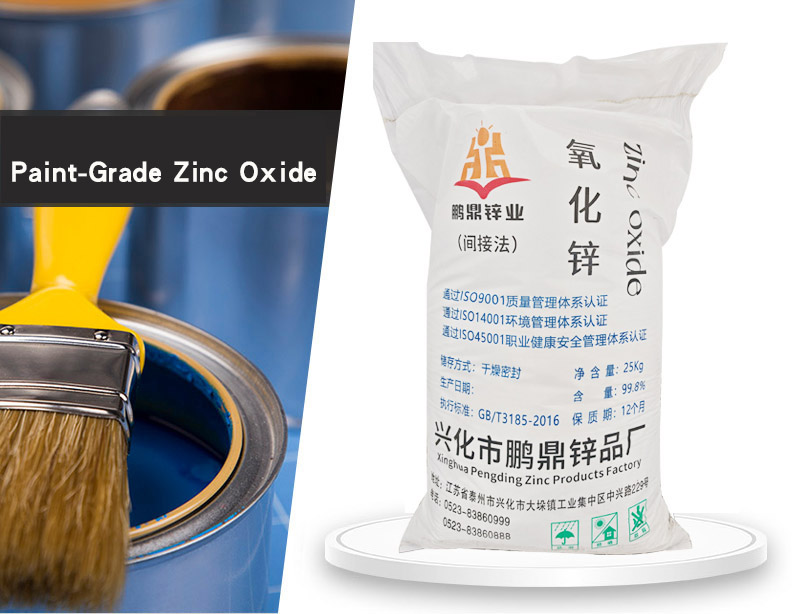
 Ceramic zinc oxide is a commonly used chemical additive, widely employed in the manufacture of plastics, silicate products, synthetic rubber, lubricants, coatings, ointments, adhesives, foodstuffs, batteries and flame retardants. It can serve as a vulcanisation activator, reinforcing agent and colourant for natural rubber, synthetic rubber and latex. Due to its fine particle size and large specific surface area, nano-zinc oxide can further enhance the physical properties of vulcanised rubber. As a catalyst and desulphurising agent, the high surface reactivity of nano-zinc oxide can improve the selectivity and catalytic efficiency of catalysts. It can be used as a filler, preservative and luminescent agent in coatings; the superior UV-blocking capability of nano-zinc oxide, in addition to the aforementioned properties, also confers significant characteristics such as anti-ageing properties to coatings.


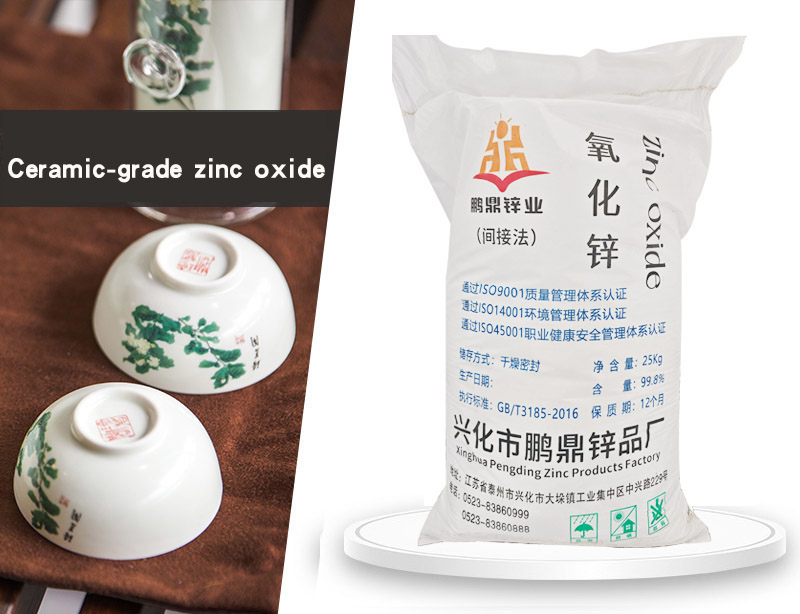
   In the ceramics industry, zinc oxide can be used as a flux for glass and ceramics. Due to its fine particle size and high reactivity, nano-zinc oxide can reduce the sintering temperature of glass and ceramics. Furthermore, ceramic glazes produced using nano-zinc oxide are cleaner and offer antibacterial, anti-mould and deodorising effects. Ceramic zinc oxide is a key raw material for varistors in the electronics industry, as well as a primary additive in magnetic and optical materials. Varistors manufactured using nano-zinc oxide not only require lower firing temperatures but also exhibit improved performance characteristics, such as current-carrying capacity and non-linearity coefficients. The application of nano-zinc oxide in optical devices is expected to see significant breakthroughs as research into its optical properties progresses. Furthermore, it can be utilised as a dye-retarding agent in the textile printing and dyeing industry.

   The above outlines the uses of ceramic zinc oxide; due to its characteristics and advantages, its scope of application is becoming increasingly widespread. During operation, it is necessary to select appropriate methods based on actual circumstances in order to achieve optimal results. We hope the information provided here proves helpful.