NewsNEWCENTER
Featured products
Contact Us
Major issues encountered during the use of ceramic zinc oxide
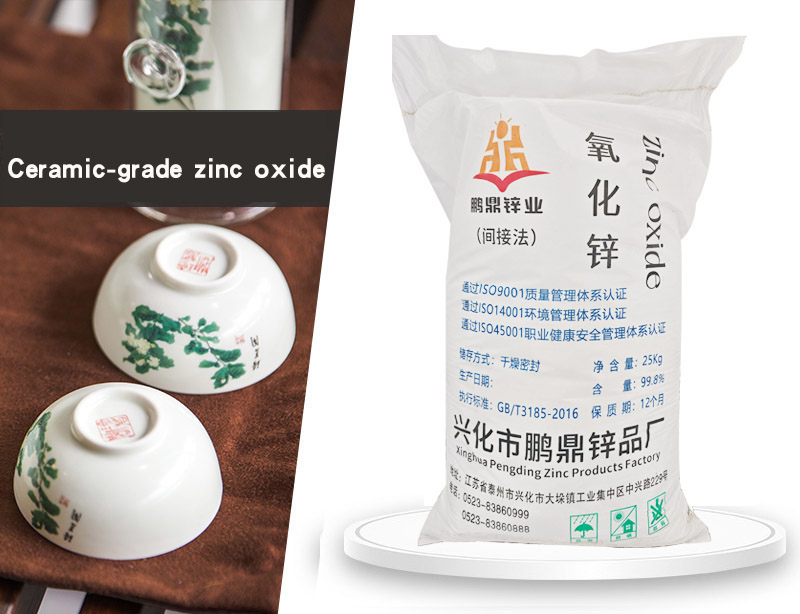
2026-06-18As the use of ceramic zinc oxide becomes increasingly widespread, the quality requirements for it are also rising. Given its widely recognised advantages, it is now commonly used; to help everyone make better use of it, let us now examine the main issues that arise during its application.
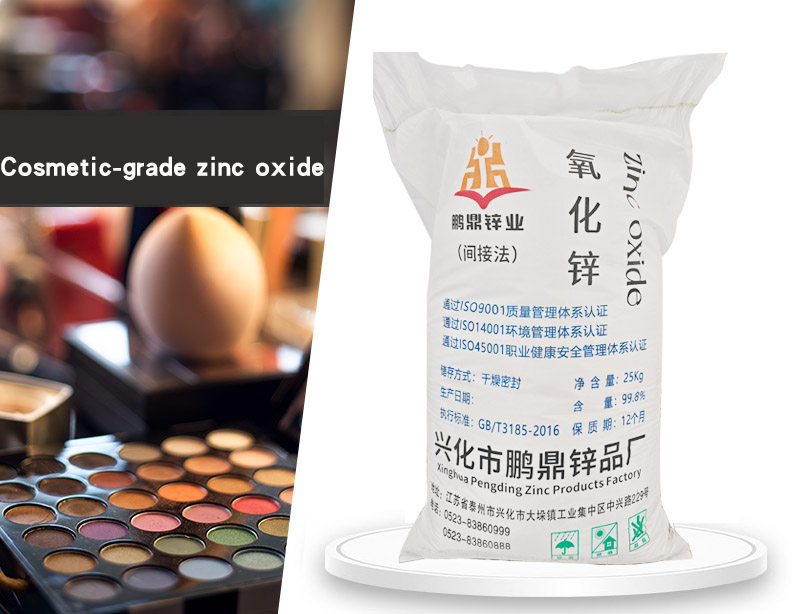
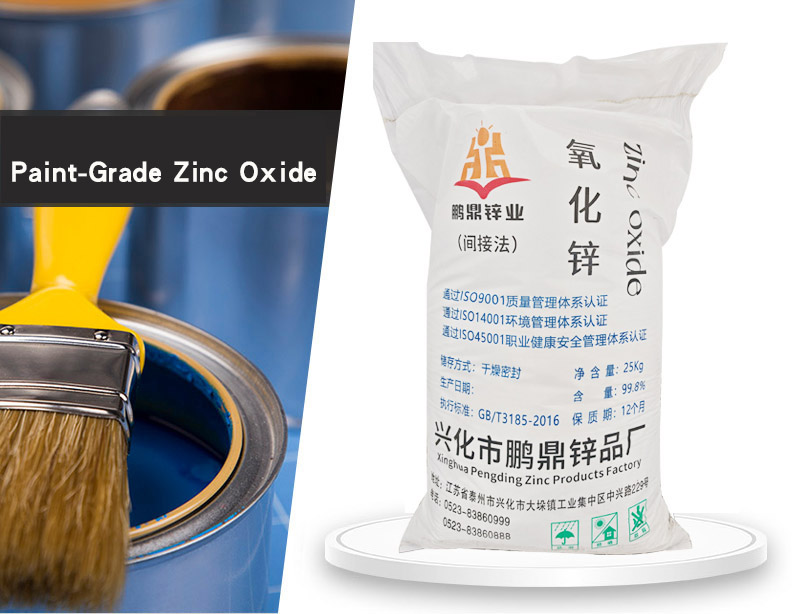
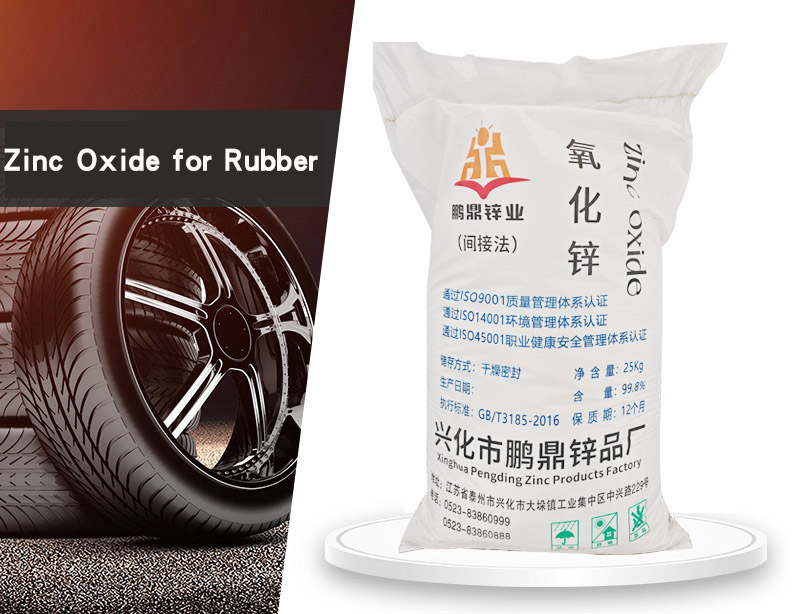
   In addition to its use in cosmetics, ceramic zinc oxide is also employed as a raw material in automotive paints, furniture and building materials, inks and paints, as well as an anti-ageing agent for rubber and plastics. Recently developed transparent food packaging films involve coating polyethylene film with transparent zinc oxide, which not only enhances the plastic film’s resistance to ultraviolet radiation but also helps to preserve food quality. As zinc oxide is corrosive, if it accidentally comes into contact with the skin, it is essential to wash the area thoroughly with soapy water and plenty of clean water. After cleaning, seek medical attention promptly; do not dismiss this as a minor issue, as neglecting it could lead to more serious consequences.

    The above outlines the main issues associated with the use of ceramic zinc oxide. It is important to familiarise yourself with these points, as following the correct operating procedures is essential to achieve optimal results. Should you have any queries, please do not hesitate to contact us by telephone; we will provide recommendations tailored to your specific requirements to help you avoid unnecessary complications arising from improper use.